Unsecured vs. Secured Credit Cards: What it means for merchants
There are two basic types of credit cards you’ll be processing as merchants: secured and unsecured. It’s important to know the distinctions between the two.


There are two basic types of credit cards you’ll be processing as merchants: secured and unsecured. It’s important to know the distinctions between the two.

Transaction disputes tend to favor the cardholder over the merchant. Merchants only have two ways to defend against payment reversals.

Being a high-risk merchant can be a drag. The high-risk designation can seem like a fat target on your business’ back for superfluous account fees.

Ticketing vendors have fast become a primary target for criminal fraud and chargeback fraud. Yet the ticketing business is not considered high-risk.

Ever ask yourself “how did those credit card numbers get stolen?” You should, since this day and age we’re all potential victims of credit card fraud.

Calculating your transaction fees can be a real pain in the cashflow. Card schemes like Visa and Mastercard have their own rate structures.
To improve how chargebacks are resolved, VISA has introduced the “Visa Claims Resolution Initiative,” otherwise known by the cutting-edge acronym “VCR”.

What if we told you there is a industry-wide panacea in the works to standardize processing and accommodate third-party payments anywhere.

Now that all the click-bait panic buttons have been exhausted from the Equifax breach, we take a calm look at it from the perspective of black-hat experts.
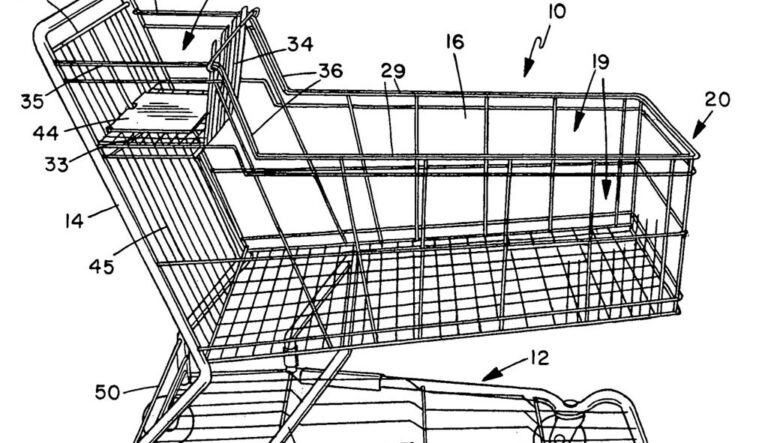
Checkout friction consists of all the different hoops a customer must jump through to buy your product. Some friction is necessary, some isn’t.
End of content
End of content