Chargebacks 101: A merchant’s guide
AMEX issue their cards and deal directly with cardholders. That’s why American Express chargebacks work differently than other chargebacks.



AMEX issue their cards and deal directly with cardholders. That’s why American Express chargebacks work differently than other chargebacks.

Dispute management is a balancing act. You want to protect your bottom line from fraud and chargebacks, but keep your costs low.

ChargebackHelp Plus (CBH+) in concert with Visa/Mastercard issuers, could very well usher in the death of chargebacks as we know them.

Even within a system that is so thoroughly pro-cardholder, and thus merchant-unfriendly by proxy, merchants do have chargeback rights.
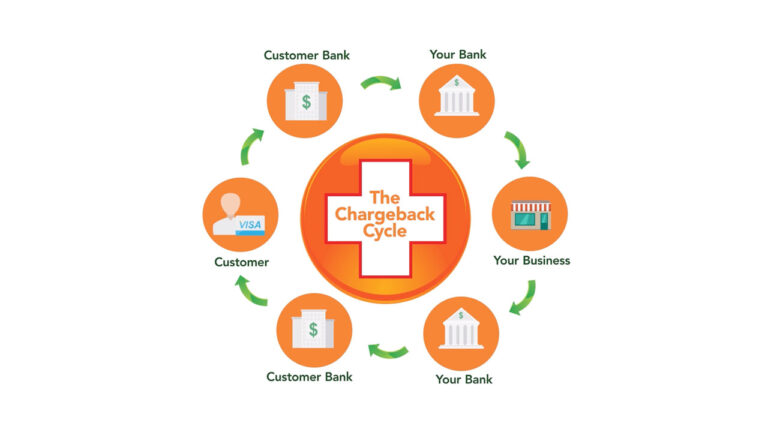
ChargebackHelp can recover lost revenue caused by customer chargebacks through a process called representment.

Arbitration chargebacks are the “ugly divorce” of transaction disputes. It means you have exhausted all reasonable recourse to resolve a dispute.

The chargeback is a complex dispute process that is mostly hidden to the merchant. This process is in dire need of an update to improve communication.

Transaction disputes tend to favor the cardholder over the merchant. Merchants only have two ways to defend against payment reversals.

For best practise in fraud prevention merchants must capture key data on each transaction, including customer identity, order details, and user login logs.

Representment is the process by which merchants can dispute a chargeback and recover the revenue at stake.